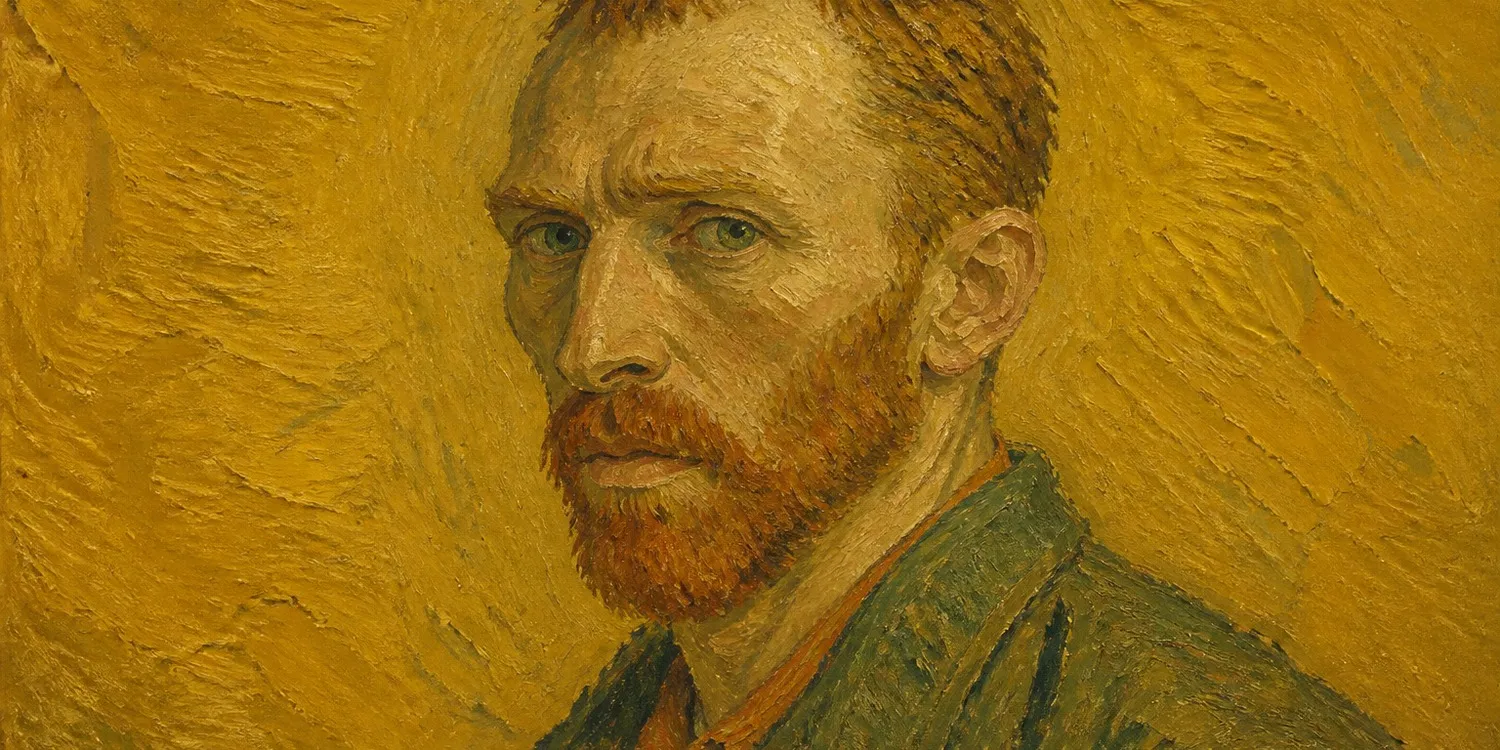
Most AI tools still wait for you to type the next prompt. Grok Bot doesn’t. You describe a job, a bot goes off and does it on a computer of its own, and it comes back when the work is done or when it needs your approval. We have had a handful of bots working for us since late August. Here is a short introduction and our first impressions.
What is Grok Bot?
Grok Bot is an agent product from SpaceXAI, the company formed when SpaceX acquired xAI earlier this year and which also bought Cursor, the AI coding company, this summer. It was released in beta on 11 August 2026.
Instead of a chat window, you get a team of Bots. Each one has a name, a job and a memory of the work it has done before. You talk to them in a messaging-style app on your desktop or phone. Under the hood, all your bots work on a persistent cloud computer with a browser, a file system and a terminal. They use ready-made connectors (Google Drive, Gmail and so on) where those exist and operate web apps through the browser where they don’t. A job you have walked a bot through once can be saved as a skill and run on a schedule. Access currently comes with paid Cursor plans and SuperGrok subscriptions.
What we did with it
A content pipeline in a day. Our first bot runs an experimental Instagram channel, Painted Awake: a famous painter’s own style is used to depict a moment from the painter’s life, and the picture then comes alive as a short video. On day one, the bot built the whole pipeline: the image with Grok’s built-in image generation, the video with the fal.ai video API, and publishing through Meta’s Business API. We handed it the API credentials and it wired up the APIs itself. We wrote no code. A second bot looks at the channel’s statistics once a week and suggests where to take the content next.
A morning research routine. Another bot goes through open subcontracting requests every morning, stores them in a small database and points out the ones that match a consultant’s CV. It took a few hours to set up and has run daily since the end of August.
What surprised us
- Setup is a description. You tell a bot what its job is, and even that is optional. It works out the rest and asks when it needs something. When it needs an API key, it opens a secure input for it instead of pointing you to a config file.
- Lighter instructions work better. When we gave a new bot a long, complete operating manual up front, it stumbled. Starting from a minimal brief and teaching it step by step worked much better, a lot like onboarding a new colleague.
- The harness is the product. You don’t get to choose the underlying model, and in our view the model is not what makes the difference. Everything around it does: the computer, the connectors, the approvals and the scheduling. That is worth remembering for anyone building agents of their own.
What to watch out for
- Bots are not a security boundary. All bots on an account share the same computer, including its files, browser sessions and logins. SpaceXAI’s documentation says it plainly: “Do not use separate Bots as a security boundary.” We only give the bots marketing material and credentials that are meant for them, and we set the account’s privacy settings so that our data is not used for training before putting anything in.
- Keep the approvals on. By default, publishing, sending messages, purchases, deletions and permission changes wait for a human. That is the right default. Scheduled runs occasionally stop to ask for permission, and that is a price worth paying.
- It is a black box. You get less control than with agents you build yourself, and not everything worked on the first try: our first attempt to connect a bot to Slack failed. We don’t have good numbers yet on what a task costs.
Why it matters
Grok Bot is the first agent tool we would hand to a non-developer colleague without a long introduction. It shows what working with agents feels like once the usability problem is solved.
It also raises an obvious question for our clients: could the same experience run inside your own cloud, with your own secret manager, your own approval rules and data that stays where you know it is? That is what we are exploring next. If you are thinking about the same thing, let’s talk.